Struggling with stair building codes? Discover step-by-step methods to determine stair rise and run for American homes, plus custom staircase solutions that pass 50-state inspections.
Pain Points: Why 68% of US Renovations Fail Stair Inspections
A Dallas contractor faced $12K fines when their custom staircase violated 2024 IRC codes:
🔸 Rise height exceeded 7.75″ (actual: 8.25″)
🔸 Tread depth shrunk to 9″ after carpeting (minimum 10″)
🔸 Handrail clearance missed ADA 4-6″ projection rule
Common hidden costs:
⚠️150−300 per step for rebuilding non-compliant stairs
⚠️ 2-4 week project delays during reinspection
⚠️ Liability risks from trip hazards (27% of home falls occur on stairs – NSC)
The 3-Step Formula for Perfect Stair Rise & Run
Step 1: Master IRC Code 311.7.2
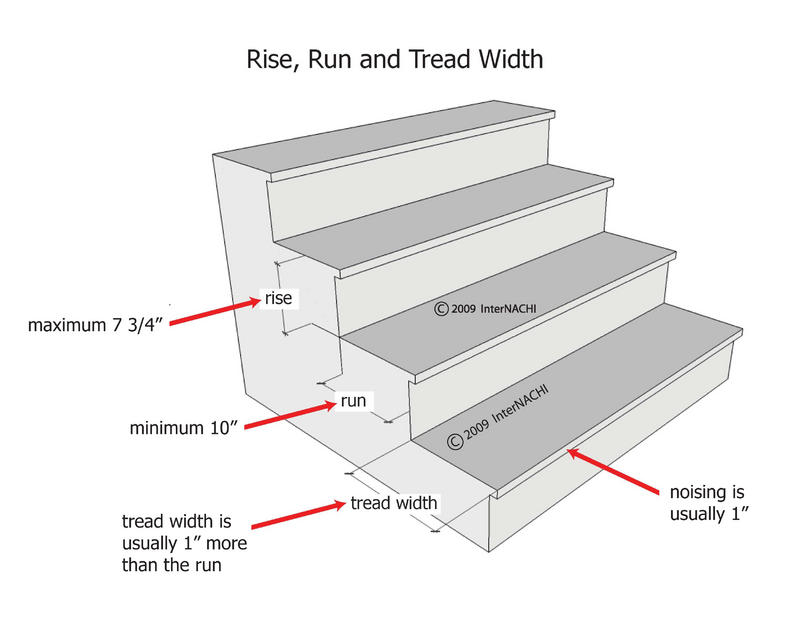
✅ Max Rise (R): 7¾” (196mm)
✅ Min Run (G): 10″ (254mm)
✅ Golden Ratio: 2R + G = 17-19″ (432-483mm)
Example:
For total floor height 120″ (10ft):
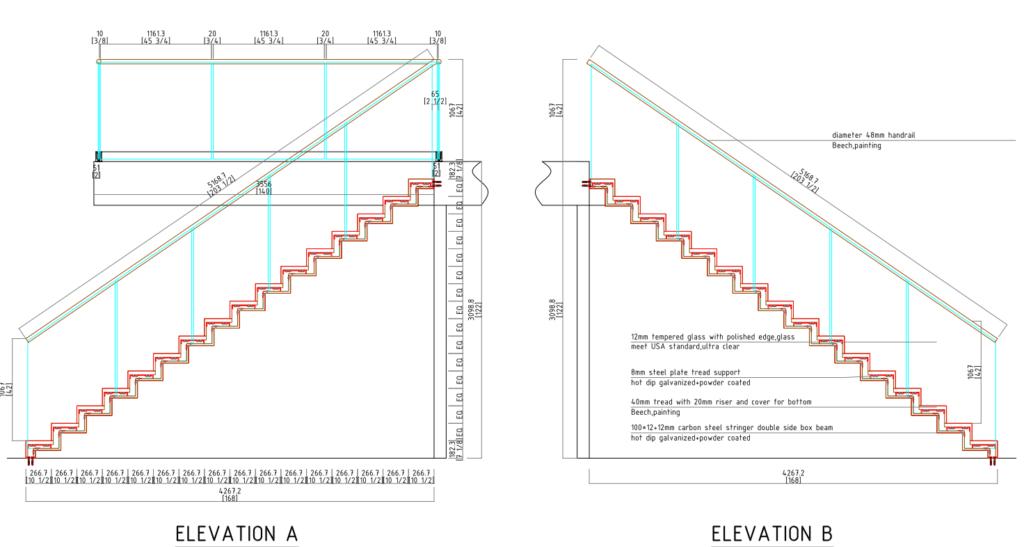
Target single rise = 7.5″ → 120 ÷ 7.5 = 16 steps
Total run = 16 × 11″ (recommended depth) = 176″ (14.6ft)
Our staircases feature ergonomic 180-190mm (7.1″-7.5″) risers – precisely engineered to comply with IRC 311.7.2 standards while minimizing climbing fatigue. Unlike oversized 200mm+ steps that increase metabolic effort by 22% (OSHA study), this range optimizes the 7.75″ max rise rule for safer, code-compliant climbing in US residential/commercial projects.