Meta Description: Confused about SGP and PVB interlayers? Discover key differences in safety, clarity, and weather resistance for American buildings, plus how we deliver custom solutions for both.
Problem Scene: Why Glass Interlayer Choices Haunt US Contractors
A Florida condo association paid $83K to replace fogged PVB laminated glass after 3 hurricanes, while a Chicago high-rise faced 6-month delays when their SGP structural glass failed cold-bending tests.
The wrong interlayer choice causes:
🔸 42% energy loss in extreme climates (ASHRAE study)
🔸 35% higher replacement costs from yellowing/delamination
🔸 Safety risks when exceeding ASTM C1048 load limits
Head-to-Head: Technical Showdown of SGP & PVB
#1 Strength & Safety
✅ SGP (SentryGlas Plus):
- 3x stiffer than PVB (23 MPa vs 7 MPa shear modulus)
- Hurricane zones: Passes Miami-Dade TAS 201/203 impact tests at 170mph
- Ideal for: Glass floors, cantilevered canopies
✅ PVB (Polyvinyl Butyral):
- Cost-effective sound dampening (STC 40+ rating)
- ADA compliance: Maintains clarity for safety glass visibility
- Ideal for: Office partitions, retail storefronts
#2 Climate Resilience
| Factor | SGP | PVB |
|---|---|---|
| Temperature Range | -40°F to 190°F | 14°F to 140°F |
| Humidity Resistance | Zero moisture absorption | Prone to edge fog |
| UV Stability | No yellowing in 25 yrs | Yellowing after 8 yrs |
Selection suggestions
Select PVB: general safety requirements, short-term projects or cost priority.
Select SGP: extreme climate areas, large-span designs or long-life projects.
Hybrid solution: some projects use PVB+SGP composite layers to balance performance and cost.
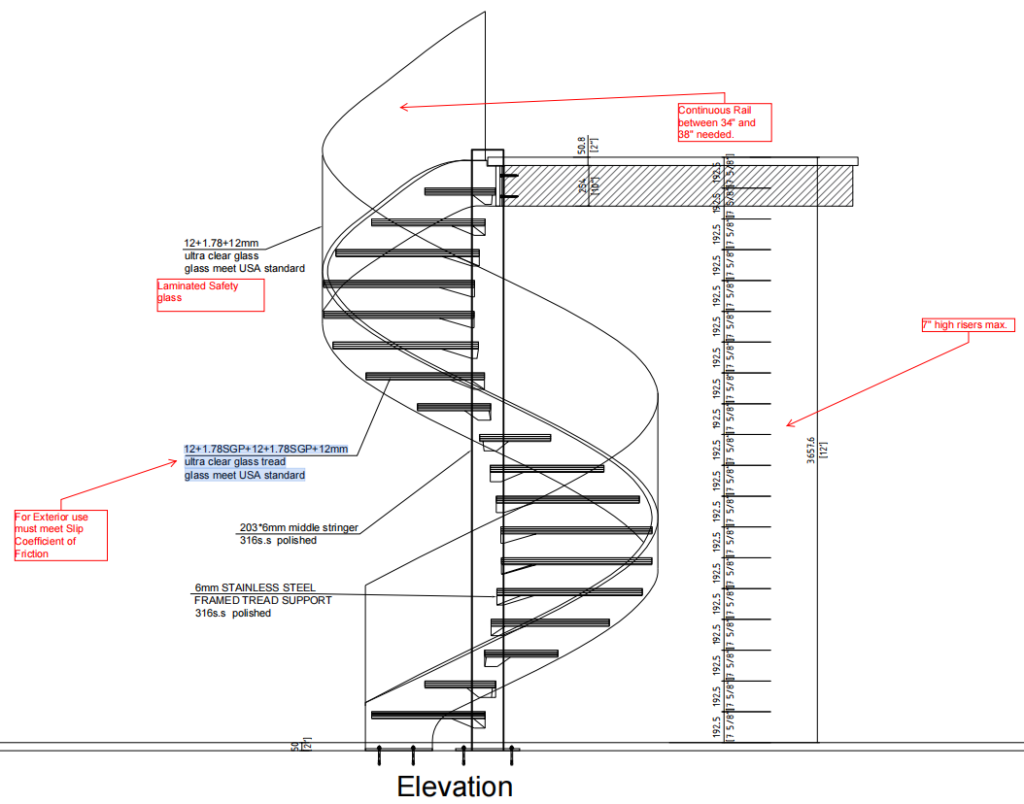
Case Study: Florida Spiral Staircase with 12+1.78SGP×3 Ultra-Clear Glass
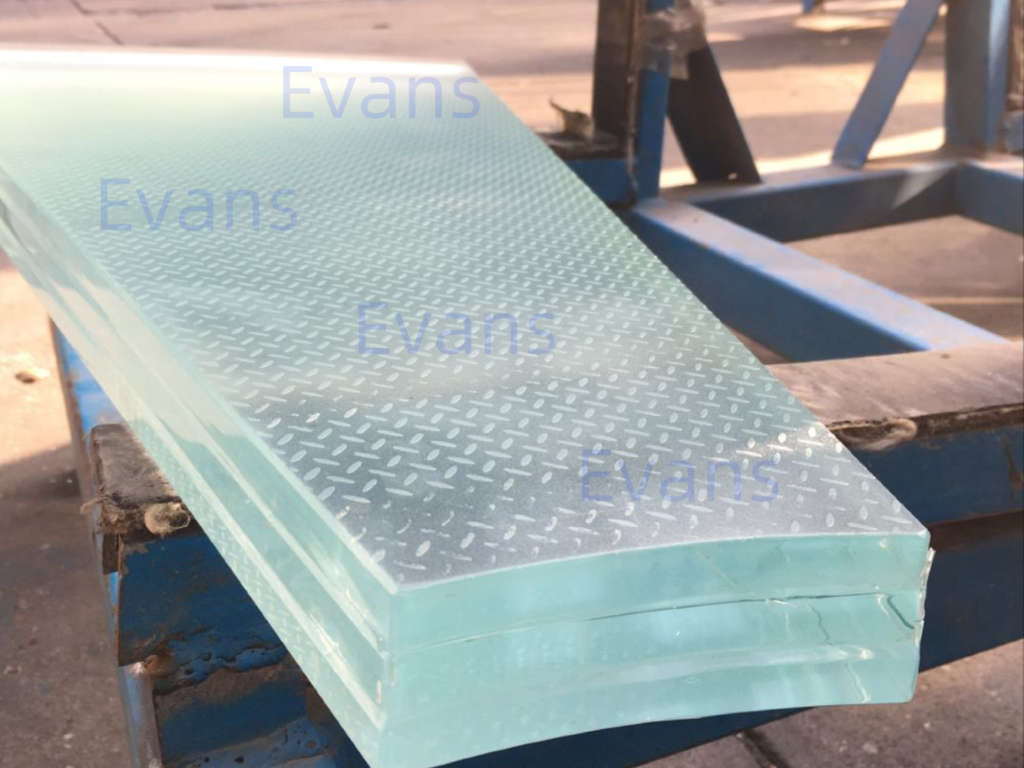
For a coastal Florida villa, we delivered a stainless steel glass spiral staircase featuring 12+1.78SGP+12+1.78SGP+12mm laminated treads designed to:
Withstand Category 4 hurricane winds (170+ mph)
Resist saltwater corrosion with 316 stainless steel supports
Achieve 82% light transmittance for ocean views while meeting ASTM C1048 safety standards