
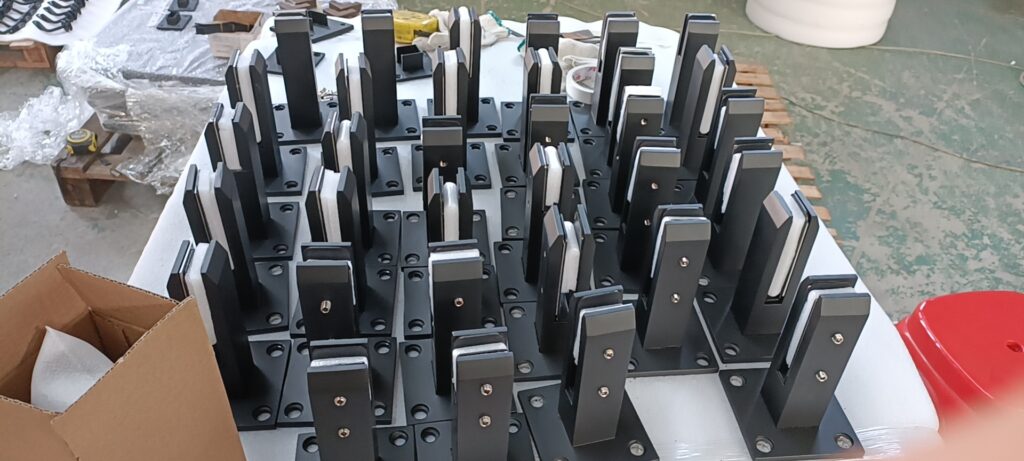
When selecting materials for long-lasting fencing and railing systems, corrosion resistance is a critical factor. Both stainless steel and aluminum are popular choices, but understanding their performance in different environments ensures you make the right investment. Let’s break down their corrosion-resistant properties to guide your decision.
Understanding Corrosion Resistance
Corrosion occurs when metals react with environmental elements like moisture, salt, or chemicals. For outdoor structures exposed to rain, humidity, or coastal air, choosing a material that resists rust and degradation is essential.
Stainless Steel: The Heavy-Duty Defender
Stainless steel contains chromium (minimum 10.5%), forming an invisible protective layer of chromium oxide when exposed to oxygen. This “self-healing” shield makes it highly resistant to:
- Rust in humid or wet climates
- Saltwater corrosion in coastal areas
- Chemical exposure near industrial zones
Grades Matter:
- 304 Stainless Steel: Ideal for most outdoor applications with moderate exposure.
- 316 Stainless Steel: Contains molybdenum for enhanced resistance to saltwater and industrial pollutants—perfect for coastal or harsh environments.
Pros:
- Minimal maintenance required
- Withstands extreme temperatures
- Retains structural integrity for decades
Cons:
- Higher upfront cost than aluminum
- Heavier weight may increase installation complexity
Aluminum: The Lightweight Contender
Aluminum naturally forms an oxide layer that protects against corrosion without requiring additional treatments. However, its performance varies based on alloy composition:
- Marine-grade aluminum (e.g., 5052 or 6061 alloys) offers superior saltwater resistance.
- Powder-coated aluminum adds an extra barrier against moisture and UV damage.
Pros:
- Lightweight for easy handling and installation
- Lower material cost
- No rust in most environments
Cons:
- Prone to pitting corrosion in highly acidic/alkaline conditions
- Less durable than stainless steel in abrasive settings
Key Factors to Consider
Climate:
- Coastal/High-Salt Areas: Opt for 316 stainless steel or marine-grade aluminum.
- Urban/Industrial Zones: Stainless steel handles pollutants better.
- Mild Inland Regions: Aluminum with powder coating suffices.
Maintenance Budget:
- Stainless steel requires occasional cleaning but no coatings.
- Aluminum may need recoating every 10–15 years.
Structural Needs:
- Heavy-duty security fencing favors stainless steel’s strength.
- Decorative railings often use aluminum for design flexibility.
Aesthetic Preferences:
- Stainless steel offers a polished, industrial look.
- Aluminum can be color-matched to landscapes.
Real-World Applications
- Coastal Properties: 316 stainless steel railings withstand salt spray.
- Pool Fencing: Aluminum with powder coating resists chlorine exposure.
- High-Traffic Areas: Stainless steel excels in durability.
Final Recommendation
Choose stainless steel if:
- Your project demands maximum longevity.
- The environment is corrosive (coastal, chemical-rich, or high-humidity).
Choose aluminum if:
- Budget and lightweight installation are priorities.
- The location has moderate weather conditions.
Need Help Deciding?
Our experts tailor material solutions based on your project’s location, budget, and design goals. Contact us for a free consultation on selecting corrosion-resistant fencing that stands the test of time.